
SEDL's Free Publications for Reading and Literacy
Reading and Literacy
Our Most Popular Products in this Subject Area
Use the menu on the left to show additional products in this category.
This issue of SEDL Insights focuses on two types of literacy that are crucial to helping students become college and career ready: content-area literacy and disciplinary literacy. |
The Common Core State Standards (CCSS) videos are designed to support states, schools, and teachers in the implementation of the CCSS. Each video is an audiovisual resource that focuses on one or more specific standards and usually includes examples and illustrations geared to enhancing understanding. |
Many districts turn to literacy coaches to deliver professional development, follow-up, and support in implementing evidence-based instructional practices and programs. While literacy coaches offer an effective job-embedded professional learning mechanism for teachers, districts should also provide professional development opportunities for literacy coaches This issue of SEDL Insights how education leaders can help literacy coaches have the greatest impact at their schools. |

This K–5 supplemental instructional program provides lessons and resources that integrate math, science, and technology while supporting English learners and academic language skills. The program is available online free of charge. |
This brief examines the critical need to implement instruction at the secondary level around adolescent, or content-area, literacy. The challenge is to connect the teaching of literacy to the rest of the secondary education improvement agenda. |
This issue of the Southeast Comprehensive Center eBulletin focuses on literacy, specifically on how states can strengthen their literacy programs or plans and provide effective professional development and technical assistance for high-need districts in their efforts to implement quality literacy instruction. |
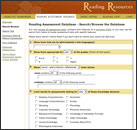
This database, a complementary tool to the Cognitive Foundations of Learning to Read: A Framework, enables reading teachers to search for preK–3 reading assessments that test the framework's 14 reading skills. |
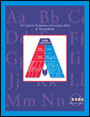
This book provides a concise summary of the research findings related to how children learn to read. A graphical representation of the framework is provided to familiarize teachers with the cognitive elements that research has shown to be essential in learning to read. |